Source Double Heating Lab Heat Sealer for Packaging Testing
Find and compare 30 double heating lab heat sealer models from China. Evaluate features like AC220V power, digital control, and adjustable sealing parameters to select the right equipment for your quality assurance needs; compare the available evidence and request quotations based on your requirements.
Key considerations
Products List






Comprehensive Sourcing Guide
Double Heating Lab Heat Sealer Sourcing Guide
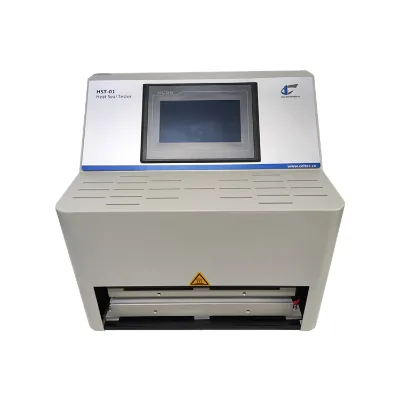
Procuring a double heating lab heat sealer requires careful attention to the specific thermal control capabilities of the unit, as these machines are designed to independently manage heating zones for precise sealing tests. The observed market data indicates that models like the LTNRH-580 feature a double heating form that allows for separate control, a critical feature for evaluating complex packaging materials where uniform heat distribution is essential. Buyers must verify that the specific unit they select supports the independent adjustment of heating elements to ensure accurate simulation of real-world sealing conditions.
When evaluating listings, procurement teams should note that the power source for these devices is typically AC220V, though some variants may support AC 120V 60Hz depending on the regional configuration. The weight of these units varies significantly, ranging from approximately 20 kg for compact desktop models to over 500 kg for larger industrial-grade systems. It is vital to confirm the net weight and physical dimensions against your laboratory's floor load capacity and available workspace, as the machine size can range from roughly 400mm to 570mm in length depending on the specific model configuration.
Product Scope and Observed Listing Signals
The product scope for double heating lab heat sealers encompasses a range of models designed to determine sealing temperature, pressure, and time with high precision. Listings often highlight the ability to control hot sealing pressure within a range of 0 to 0.7 MPa, with some units capable of reaching up to 700 kPa depending on the sealing dimension. Buyers should look for specifications that explicitly state the heating form as "Double Heating" to ensure the equipment can handle the independent control requirements necessary for rigorous material testing protocols.
Observed listing signals also include the presence of digital displays and computer control systems, which facilitate the monitoring of critical parameters like hot sealing time, which can range from 0.01 to 9999.99 seconds. The sealing area is another key signal, with common configurations offering a surface of 150mm by 10mm or a larger 330mm by 10mm area. Procurement teams must cross-reference these physical dimensions with their test standards to ensure the machine can accommodate the specific sample sizes required for ASTM or GB/T compliance testing.
Technical Specifications to Verify
Verification of technical specifications must begin with the temperature control accuracy, which is often cited as ±0.2°C for high-end models, ensuring that the sealing temperature remains within a tight band of Indoor Temperature+8°C to 300°C. Buyers should demand documentation proving the temperature uniformity is within ±1°C across the entire sealing surface, as this consistency is fundamental to generating reliable test data. The pneumatic pressure range should also be confirmed to be compatible with the user's air source, typically requiring a pressure between 0.7 MPa and 0.8 MPa.
Further verification is required for the heating method and the specific design of the sealing jaws, which are often described as adopting special designs to ensure even pressure application. The power supply must be confirmed as AC 220V 50Hz or the specific variant listed, and the air connection type, such as a Ф6 mm polyurethane tube, must match the facility's compressed air infrastructure. Additionally, the determination capabilities for sealing temperature, pressure, and time must be explicitly supported by the machine's control logic to meet the rigorous demands of quality assurance laboratories.
Compliance and Safety Documentation
Compliance documentation for these laboratory instruments often references applicable standards such as ASTM, GB/T, and Ybb, which dictate the testing procedures for packaging integrity. Buyers should request a compliance statement confirming that the machine's operation and safety features align with these specific standards, particularly regarding the hot sealing temperature and pressure ranges. The absence of specific certification claims in the provided data means that procurement teams must explicitly ask for current certification status, such as CE or other regional safety marks, before finalizing a purchase.
Safety documentation must also cover the electrical and pneumatic safety features inherent in the machine's design, including the power supply specifications and the air source preparation requirements. Since the air source is typically prepared by the user, the machine's documentation should clearly outline the necessary pressure limits and connection types to prevent operational hazards. It is essential to ensure that the provided safety manuals detail the proper handling of the heating elements and the pneumatic systems to protect laboratory personnel from thermal and mechanical risks.
Cost Drivers and Commercial Terms
Cost drivers for double heating lab heat sealers are heavily influenced by the complexity of the control system, the precision of the temperature regulation, and the physical size of the unit. Models featuring computer control and digital displays with high-precision temperature accuracy often command higher prices, while the weight and material of the construction, such as wooden case packaging versus standard packaging, can also impact the final cost. Buyers should expect a wide price range, potentially spanning from $20 to $20,000, depending on the specific model number and the level of customization offered.
Commercial terms regarding the minimum order quantity (MOQ) are generally flexible, with observed ranges starting from 1 unit up to 10 units, allowing for both single-unit procurement and small batch acquisitions. Customization support is a significant value driver, with many suppliers offering test item customization to tailor the machine to specific testing needs. Procurement teams should negotiate clearly on the packing requirements, as options like wooden packaging or level 3 packing may incur additional costs and affect shipping logistics and insurance premiums.
Supplier Qualification and Quality Control
Supplier qualification should focus on the manufacturer's ability to provide detailed technical specifications and evidence of their production standards, such as the HST-01A or HST-01B model standards. Buyers must verify that the supplier can demonstrate consistent quality control in the manufacturing of the heating elements and the pneumatic systems, as these are critical components for the machine's performance. The origin of the product, typically China, should be accompanied by a clear understanding of the supplier's quality assurance processes and their track record in delivering precision laboratory equipment.
Quality control checks should include a thorough review of the machine's net weight, dimensions, and power supply compatibility to ensure they match the purchase order specifications. Buyers should also verify the supplier's ability to provide the necessary documentation for the hot sealing surface area and the specific sealing jaw design. It is crucial to confirm that the supplier offers support for the test condition requirements, ensuring that the machine performs reliably in a standard test environment and meets the rigorous demands of the intended application.
Long-Term Procurement Checks
Long-term procurement checks must include a plan for verifying the durability of the heating elements and the stability of the temperature control system over extended periods of use. Buyers should establish a schedule for regular calibration checks to ensure that the temperature control accuracy remains within the specified ±0.2°C and that the temperature uniformity does not degrade over time. This proactive approach helps maintain the integrity of test results and ensures the machine continues to meet the required ASTM, GB/T, or Ybb standards throughout its operational life.
Additionally, procurement teams should monitor the availability of spare parts, such as sealing jaws and pneumatic tubes, to minimize downtime in the event of component failure. The supplier's support for customized test items and their ability to adapt the machine to evolving testing standards should be part of the long-term relationship agreement. Regular reviews of the machine's performance data against the initial specifications will help identify any drift in performance and allow for timely maintenance or adjustments to keep the equipment in optimal working condition.
FAQs
What is the temperature range for double heating lab heat sealers?
The temperature range typically spans from indoor temperature plus 8 degrees Celsius up to 300 degrees Celsius. This wide range allows for testing various packaging materials under different thermal conditions. The system features separate control for double heating elements, ensuring precise and uniform heat distribution across the sealing surface during operation.
How is the sealing pressure controlled in these machines?
Hot sealing pressure is adjustable between 50 and 700 kPa, depending on the specific sealing dimension required. Pneumatic systems often support a pressure range up to 0.7 MPa. This flexibility ensures optimal sealing integrity for diverse film thicknesses and material types without damaging the package structure during the test process.
Can the sealing time be customized for specific tests?
Yes, sealing time is highly customizable, ranging from 0.01 seconds to 9999.99 seconds on advanced models. This precision allows for detailed analysis of seal formation under various dwell times. Users can set exact durations to match specific industry standards or internal quality control protocols for accurate performance evaluation.
What power supply options are available for these testers?
Most units operate on AC 220V at 50Hz, with some models supporting AC 120V at 60Hz. This dual voltage capability ensures compatibility with different regional electrical standards. The equipment is designed for stable laboratory use, requiring a standard power connection and often an external air source for pneumatic actuation.
Which standards do these heat sealers comply with?
These testers are designed to comply with major international standards including ASTM, GB/T, and Ybb. They facilitate determination of sealing temperature, pressure, and time parameters. This compliance ensures that test results are recognized globally for quality assurance and regulatory verification of packaging integrity in various industrial applications.
What is the typical weight and size of these machines?
Machine weights vary significantly, ranging from 20 kg to over 500 kg depending on the model and capacity. Dimensions also differ, with compact units measuring around 570 by 290 by 300 mm. Larger industrial versions require more floor space and robust flooring to support the substantial weight of the sealing mechanism.